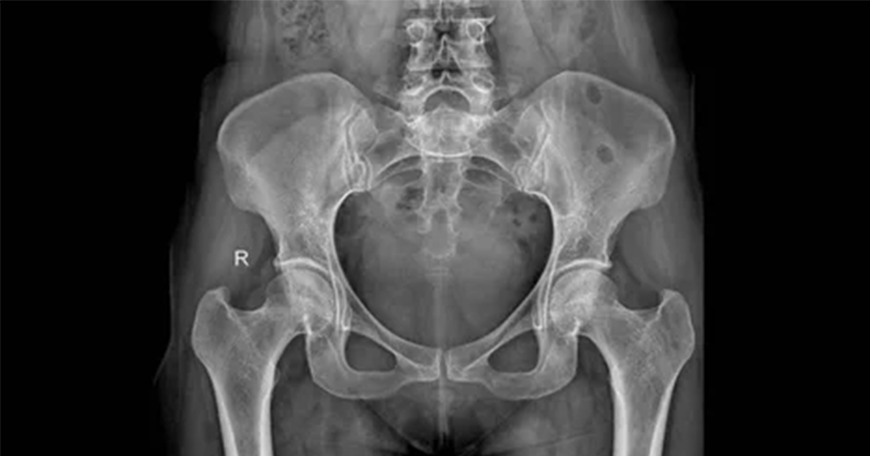
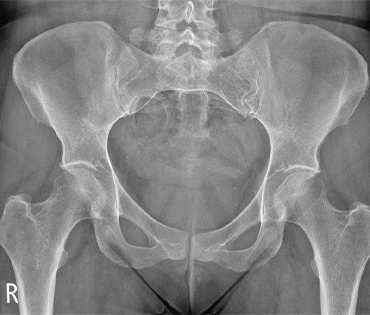
Pelvis scans are performed to investigate symptoms or conditions affecting the pelvic area. Common reasons for undergoing this scan include unexplained pelvic pain, abnormalities found during routine exams, or symptoms like abnormal bleeding. The scan helps diagnose conditions such as tumors, infections, and structural abnormalities, guiding appropriate treatment strategies.
Types of Pelvis Scans
Ultrasound:
Uses high-frequency sound waves to create images of the pelvic organs, ideal for examining soft tissues and detecting conditions like ovarian cysts or uterine fibroids.
CT Scan:
Provides detailed cross-sectional images of the pelvis, useful for identifying tumors, fractures, and complex infections.
MRI:
Offers high-resolution images and is particularly effective in assessing soft tissue structures and detailed anatomy, such as detecting pelvic floor disorders.
Preparation for a Pelvis Scan
Preparation varies depending on the type of scan. For an ultrasound, you might need to drink plenty of water to ensure your bladder is full, which improves image clarity. For a CT scan, fasting for a few hours before the procedure might be required, and sometimes a contrast dye is administered to enhance imaging results. MRI scans typically require removing metal objects and sometimes involve fasting or specific instructions based on the procedure.
Interpreting Results and Follow-Up
After the scan, a radiologist will review the images and provide a detailed report to your healthcare provider. The findings will help diagnose any abnormalities or conditions in the pelvic area. Depending on the results, your doctor may recommend further tests, treatments, or follow-up visits. The information from the pelvis scan is crucial for creating an effective treatment plan and ensuring comprehensive care.